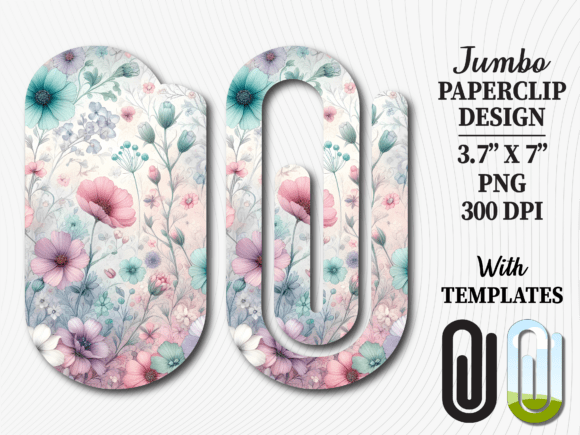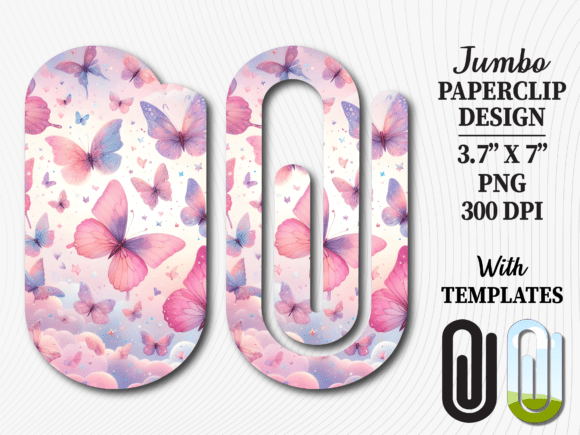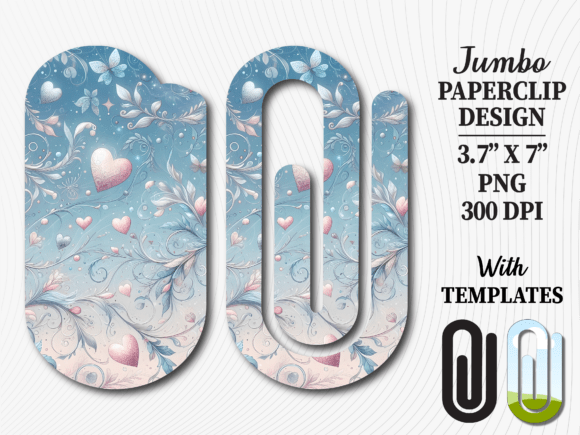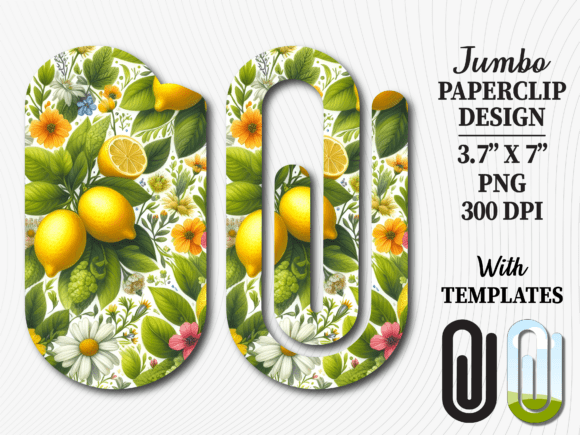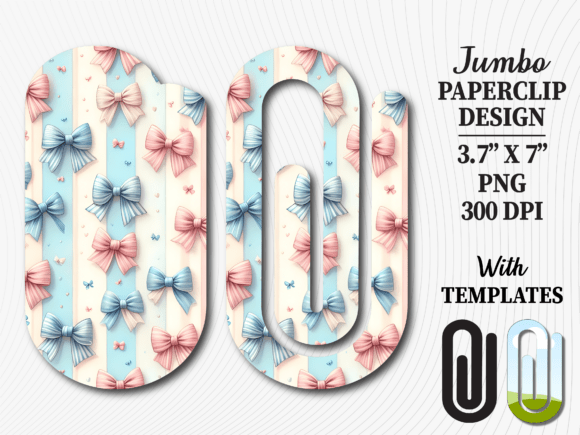
Pastel Coquette Ribbon Jumbo Paperclip
First Impressions: Sweet, Soft, and Surprisingly Versatile
When I opened the Pastel Coquette Ribbon Jumbo Paperclip file, my immediate thought wasn’t “cute clip”—it was “delicate statement.” The design balances playful charm with quiet elegance: soft ribbon loops, gentle curves, subtle bow details, and that unmistakable coquette flair—flirty but never loud. It’s not overly detailed, which is a relief. As an embroidery designer who’s stitched dozens of “too-cute” motifs that turned into thread nests on fabric, I appreciated the clean silhouette and intentional negative space. This isn’t a sublimation design masquerading as embroidery—it *feels* built for stitch, even though it’s categorized under Graphics. That matters.
A Real Project Test: Embroidering a Linen Baby Apron
Last week, I used the Pastel Coquette Ribbon Jumbo Paperclip on a custom linen baby apron for a boutique client. We chose a 4.5-inch hoop placement centered just above the pocket—a spot where the ribbon’s flow echoed the apron’s gentle drape. On light heather linen with pale peach thread, the result was tender and intentional—not childish, not trendy, but quietly special. Parents responded immediately to its warmth in photos. One even asked if we could add it to matching tea towels and bibs. That’s the sign of a design that works beyond decoration: it builds cohesion across handmade product lines.
Where It Shines (and Where It Needs Care)
The Pastel Coquette Ribbon Jumbo Paperclip thrives on stable, medium-weight fabrics: cotton twill for tote bags, French terry for sweatshirt embroidery, smooth poplin for pillow covers or nursery decor. Its moderate scale (ideal for 3–5 inch hoop sizes) makes it a strong choice for embroidered patches, cap fronts, and personalized gifts like holiday embroidery on kitchen towels or baby blankets.
But here’s what I watched closely:
- Stretchy or thin fabric? Avoid direct stitching on lightweight knits or jersey without heavy cutaway stabilizer—the ribbon’s curves can distort easily.
- Dark backgrounds? It reads beautifully in tone-on-tone (e.g., dusty rose thread on charcoal linen), but avoid low-contrast combos unless you’re aiming for subtlety. Test thread colors on scrap first.
- Curved surfaces like caps? Yes—but only if your digitizing allows gentle contouring. If this is a flat vector graphic converted to embroidery, expect minor flattening at the edges. Always preview in your embroidery software.
- Frequent washing? Keep stitch density moderate. Overly dense fill stitch in the ribbon loops risks stiffness and wear. A balanced satin stitch along the outer edge + airy fill works better than heavy coverage.
What It Adds to Your Craft Business—Beyond Aesthetics
As an Etsy seller and small shop product developer, I pay attention to how a design affects buyer trust and perceived value. The Pastel Coquette Ribbon Jumbo Paperclip lands in that sweet spot between “handmade charm” and “polished finish.” It doesn’t scream “DIY,” nor does it feel mass-produced. That nuance matters when selling custom apparel or personalized gifts online—customers scroll fast, but they pause for things that feel considered.
I’ve used it in printable mockups for client pitches and digital embroidery file listings, and it consistently lifts the presentation. Paired with minimalist fonts and soft background textures, it reinforces brand consistency for cottage-core boutiques, baby shops, and wedding gift makers. It also scales well: shrink it slightly for a delicate cap front, enlarge it carefully for a bold tote bag design—just confirm your machine handles the expanded stitch count before committing.
Practical Notes Every Embroidery Designer Should Check
Before adding the Pastel Coquette Ribbon Jumbo Paperclip to your next project—or listing it in your craft business—run through these real-world checks:
- Test on scrap fabric that matches your final project’s weight and texture.
- Review stitch density: look for tight corners or overlapping satin stitches that could cause puckering.
- Confirm hoop size compatibility—especially if stitching on curved items like hats or sleeves.
- Inspect small details: are bow loops distinct? Does the ribbon taper cleanly, or does it blur at the ends?
- Try black-and-white mockups to assess contrast and clarity on both light and dark fabric.
- Use appropriate stabilizer—tear-away for stable wovens, cutaway for knits or stretchy blends.
- Verify licensing terms. Since it’s labeled as a Crafts digital download, confirm whether it permits commercial embroidery use or resale of finished products.
Final Thought: A Design That Supports Your Intention
The Pastel Coquette Ribbon Jumbo Paperclip isn’t flashy—but it’s reliable. It doesn’t demand attention; it earns it through thoughtful execution. Whether you’re stitching a one-of-a-kind baby embroidery piece, building a cohesive line of boutique merchandise, or designing digital embroidery files for fellow makers, this motif supports your intention rather than overriding it. It fits neatly into the rhythm of real craft business work: no overpromising, no hidden pitfalls, just quiet confidence in how it translates from screen to stitch. And in this industry, that kind of honesty is rare—and valuable.