I Can’t Keep Calm It’s 2nd Grade SVG Graphics
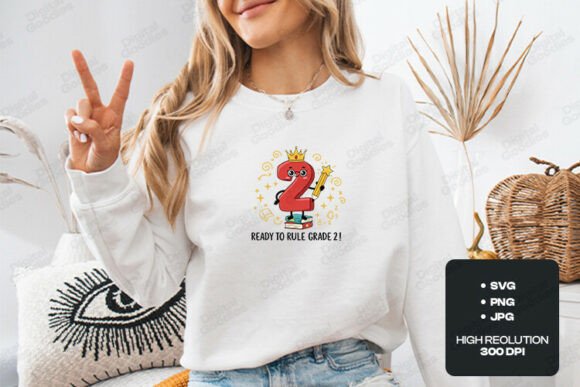
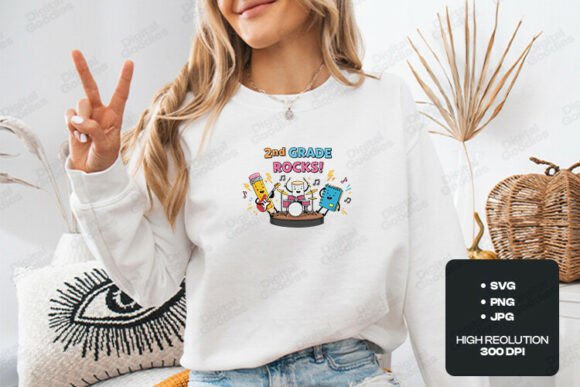
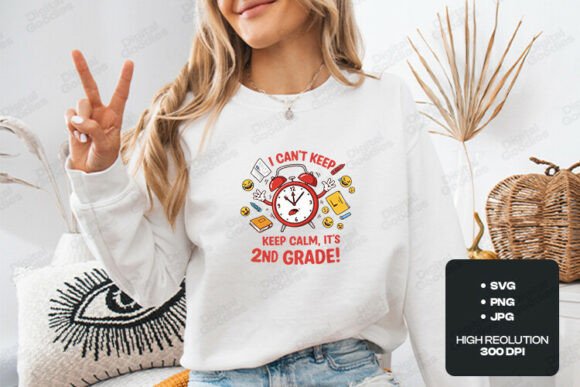
As a graphic designer who’s built brand identities for over a dozen handmade businesses—from Etsy shops launching back-to-school collections to local school PTA campaigns—I opened I Can’t Keep Calm It’s 2nd Grade SVG expecting charm, but what stood out immediately was its intentional energy. This isn’t just cartoonish clutter; it’s a tightly composed illustration with a bold alarm clock character front and center, surrounded by stylized pencils, notebooks, and a chalkboard-inspired burst—all rendered in confident, friendly line work and balanced color blocking. The mood is joyful, slightly irreverent, and unmistakably age-appropriate: second grade as a milestone, not a meme.
In my current client project—a boutique stationery line launching a “Grade Level Celebration” collection for teachers and parents—I Can’t Keep Calm It’s 2nd Grade SVG landed as a strong candidate for hero graphics, printable wall art, and limited-run t-shirt designs. Its visual language bridges playful authenticity and commercial polish: the kind of asset that feels handmade but scales cleanly across print and digital touchpoints. That balance is rare in mass-market design bundles—and critical when your client’s brand voice hinges on warmth, credibility, and subtle wit.
Where This SVG Design Earns Its Place in Real Projects
This graphic design asset shines brightest where personality matters more than minimalism. For example:
- T-shirt design—especially for kids’ apparel, teacher appreciation gear, or classroom-themed events—where legibility at 10–12 inches wide is ideal and the bold outlines hold up beautifully in screen printing and sublimation.
- Printable design sets like “Back-to-School Planners” or “Grade-Level Certificates,” where the SVG can be resized without pixelation and layered with handwritten fonts or soft watercolor textures.
- Social media graphics for Instagram carousels or Pinterest pins—its high-contrast elements pop against clean backgrounds, and the expressive faces drive engagement without needing text overlays.
- Cricut projects and vinyl-cut stickers: the clean vector paths separate easily, and interior details (like the clock’s hands or pencil erasers) remain crisp even at 3-inch cuts.
- Packaging design for small-batch notebooks or pencil pouches—used as a subtle border motif or corner accent, it reinforces theme without overwhelming product hierarchy.
Where to Use It With Intentional Restraint
Like any strong creative design, I Can’t Keep Calm It’s 2nd Grade SVG demands context awareness. It doesn’t function well in:
- Small-scale applications—below 2 inches wide, fine details blur and the alarm clock’s facial expression loses impact.
- Crowded layouts or busy backgrounds—its vibrant palette and energetic shapes compete rather than complement if placed over photos, gradients, or dense patterns.
- Minimalist branding systems—this isn’t a logo design asset, nor does it suit corporate education platforms or formal curriculum publishers. It’s not built for restraint; it’s built for resonance.
- Projects requiring strict typographic harmony—pair it with friendly sans serifs (like Nunito or Quicksand) or bold display fonts, but avoid thin serifs or ultra-light scripts that visually recede.
Designer Notes You’ll Want Before Finalizing Client Work
Before dropping this into a live project, I always run these checks—especially since this is often used as part of a larger design bundle or commercial license package:
- Test the SVG in black and white: Does the alarm clock’s outline retain clarity? Do school supply silhouettes read distinctly without color cues?
- Preview on both light and dark mockups: The default palette works on white, but check contrast on navy or kraft paper backgrounds—some yellows may fade.
- Scale it down to 1.5 inches and up to 24 inches: Confirm no overlapping paths or hidden layers break at extremes.
- Place it on real product mockups—not just flat previews. I’ve seen this design sing on cotton tees but look overly busy on textured canvas totes unless simplified.
- Verify file integrity: Open the SVG in Illustrator or Inkscape—check for embedded raster elements (a red flag), ungrouped layers, or inconsistent stroke weights.
- Review licensing: This is a commercial design asset, yes—but confirm whether the license covers print-on-demand, resale in digital templates (e.g., Canva), or inclusion in an Etsy product listing. Not all SVGs are equal here.
- Compare font pairings live: Try it beside Montserrat Bold (for headers), Comic Neue (for playful body copy), and Caveat (for handwritten accents). See which combo supports—not competes with—the illustration’s rhythm.
Why It Works for Small Business Branding—Beyond Just T-Shirt Designs
For handmade business owners and digital sellers, I Can’t Keep Calm It’s 2nd Grade SVG isn’t just clipart—it’s a shortcut to emotional alignment. Teachers scrolling Etsy for “second grade gifts” instantly recognize the vibe. Parents searching for “funny back-to-school shirts” feel seen. That recognition builds trust faster than generic stock art ever could. In editorial design for parenting blogs or school newsletters, it adds levity without sacrificing professionalism. As part of a broader brand identity, it can anchor seasonal campaigns—paired with custom icons, consistent color palettes, and cohesive typography—to create a recognizable, scalable visual language.
What makes it stand out in today’s oversaturated creative marketplace isn’t novelty—it’s execution. The alarm clock isn’t just a prop; it’s a character with attitude. The school supplies aren’t random—they’re curated to suggest learning, creativity, and growth. That level of narrative intention elevates it from disposable clipart to a versatile, audience-aware graphic design asset.
If your next client project celebrates childhood milestones with sincerity and spirit—and you need a design bundle element that performs across t-shirt design, packaging design, social media graphics, and printable design—I Can’t Keep Calm It’s 2nd Grade SVG earns serious consideration. Just remember: let it breathe, test it early, and always align it with the human story your client is telling.